
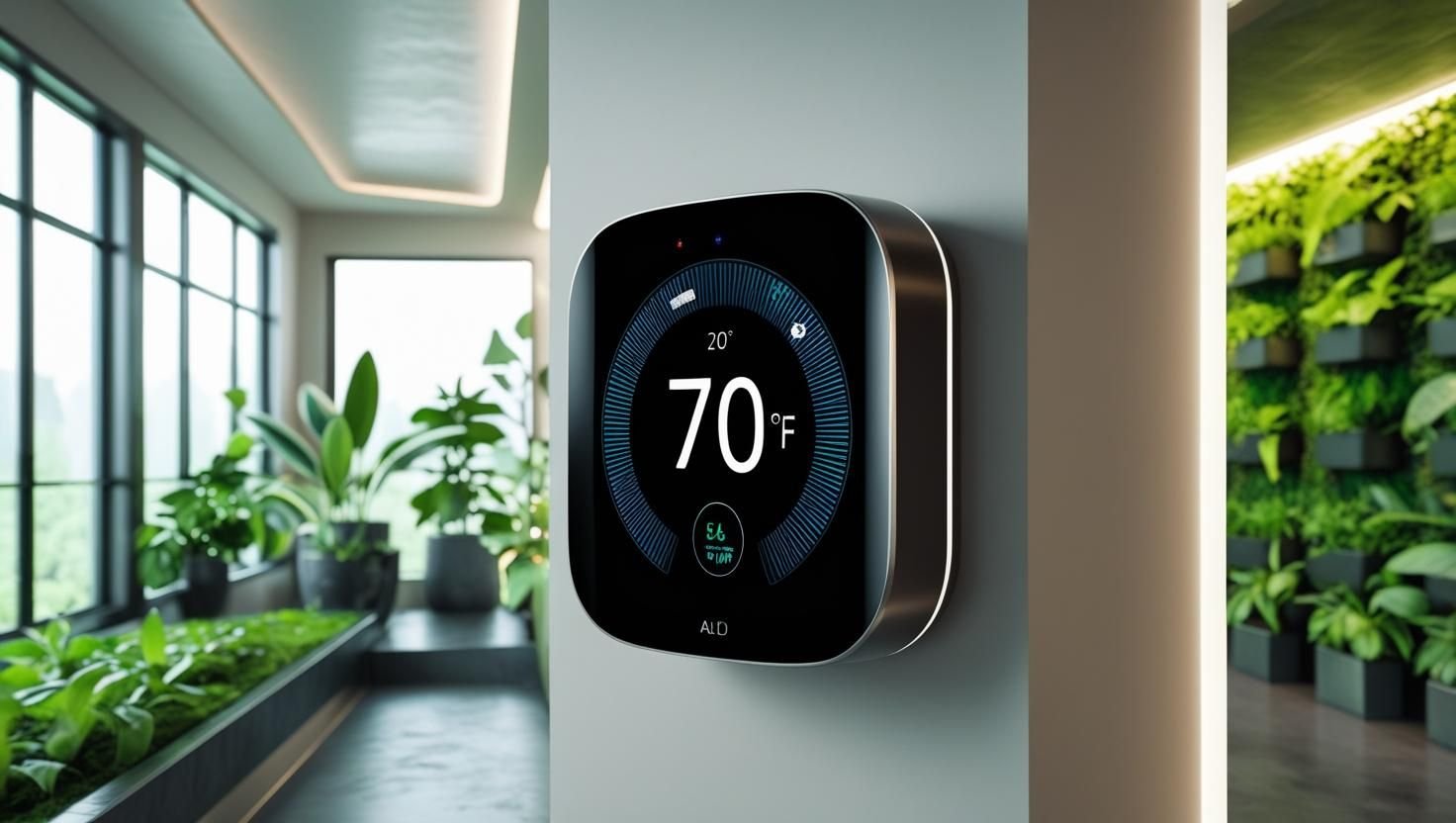
In 2025, saving energy isn’t just a smart choice—it’s a financial necessity. With rising utility costs, homeowners are looking for innovative solutions that deliver long-term value. Enter smart thermostats. These high-tech devices don’t just control your home’s climate—they learn your habits, automate comfort, and significantly reduce your energy usage.
What Is a Smart Thermostat?
A smart thermostat is a Wi-Fi-enabled device that automatically adjusts heating and cooling in your home for optimal performance. Unlike traditional thermostats, smart versions allow remote access, learning schedules, integration with smart home systems, and real-time energy reports.
How Smart Thermostats Help Cut Energy Bills
- Learning Capabilities: Automatically adjusts to your routine, saving energy when you’re away.
- Remote Control: Change settings from anywhere via a smartphone app.
- Geofencing: Uses your phone’s location to adjust temperature when you leave or arrive.
- Energy Reports: Get monthly breakdowns to monitor and manage usage.
According to the U.S. Energy Star program, smart thermostats can save the average user up to 10%–15% on heating and cooling bills annually.
Top Smart Thermostats in 2025
1. Google Nest Learning Thermostat
Still a leader in smart climate control, the Nest Thermostat learns your preferences and fine-tunes them for savings.
2. Ecobee Smart Thermostat Premium
Includes built-in Alexa, air quality sensors, and occupancy detection. It’s a high-end option for serious savers.
3. Honeywell Home T9 Smart Thermostat
Best for multi-room control with included smart sensors to regulate temperature by zones.
Smart Thermostat Features Worth Paying For
- Integration with smart home platforms (like Alexa, Google Assistant, or Apple HomeKit)
- Energy history tracking and reports
- Room sensors for precise control
- Voice control capabilities
- Touchscreen interface
Do They Really Pay for Themselves?
Most smart thermostats range from $100 to $250. With average annual savings between $100 and $200, many users recoup their investment in the first year. Additionally, many utility companies offer rebates and incentives for smart thermostat installation, reducing upfront costs.
Are Smart Thermostats Easy to Install?
Yes, most models come with DIY-friendly guides and support. However, if your HVAC system is older or lacks a C-wire, you might want to hire a pro.
Check our detailed guide here: Best Smart Plugs for Lamps 2025 for complementary energy-saving tech.
Best Practices for Maximizing Savings
- Set temperature schedules based on occupancy.
- Enable vacation or eco modes when away.
- Use zone control with smart sensors in different rooms.
- Regularly review your energy usage reports.
- Pair your thermostat with smart plugs, lighting, and security for total automation.
Smart Thermostat + Smart Home = Real Savings
Combine your smart thermostat with other smart home tech to create an energy-efficient ecosystem. Automate blinds, fans, lights, and appliances to reduce unnecessary power use.
Explore full smart home integration options here: Top Smart Security Systems for 2025
Final Thoughts: Should You Get One?
If you’re tired of high energy bills and want more control and comfort, a smart thermostat is a no-brainer. They’re affordable, effective, and eco-conscious—plus, they pay for themselves quickly through savings.
Where to Buy Smart Thermostats
FAQs
Q: Do smart thermostats work with all HVAC systems?
A: Most do, but double-check compatibility with your system type. Some older units may need an adapter or professional help.
Q: Is the energy savings real?
A: Yes. Studies by ACEEE and Energy Star confirm consistent long-term savings.
Q: Can I control it remotely?
A: Absolutely. Use your phone, tablet, or voice assistant to control temperature from anywhere.
Ready to save? Choose a smart thermostat and begin your journey to lower energy bills today.